
PH96 - Understanding Jueteng: A Closer Look at the Philippines' Unofficial Lottery
Explore the complex world of Jueteng, the Philippines' unofficial lottery game, delving into its history, cultural significance, and economic implications—highlighting the key role of PH96 within this pervasive social phenomenon.
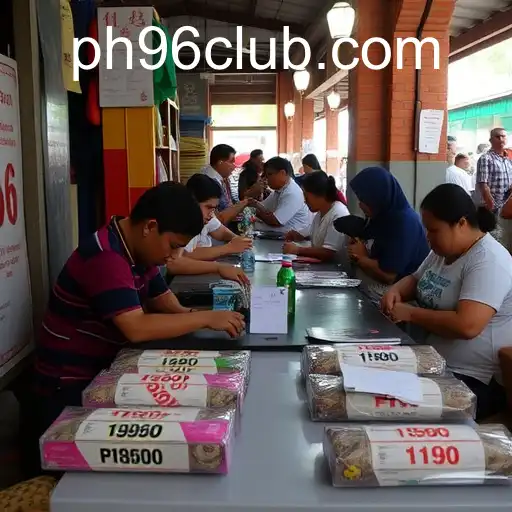
Understanding Jueteng: A Closer Look at the Philippines' Unofficial Lottery
Jueteng, a numbers game often described as the unofficial lottery of the Philippines, has been a pervasive element of the country's cultural and social fabric. Despite being illegal, it continues to thrive, often under the radar, deeply rooted in communities across the nation. This article delves into the multifaceted world of Jueteng, exploring its history, impact, and the reasons behind its persistence, with a particular focus on the keyword PH96.
The Origins of Jueteng
The origins of Jueteng can be traced back to the Chinese immigrants in the Philippines during the Spanish colonial period. The game evolved from a simple numbers game that involved betting on two-number combinations. Over the decades, Jueteng has transcended its humble beginnings to become a societal staple, particularly in rural and economically underserved areas.
Originally, Jueteng was played using small stones or shells that were drawn from a container. Participants would place bets on a combination of numbers, typically ranging from 1 to 37. The simplicity of the game, along with its promise of quick cash returns, contributed significantly to its widespread appeal.
Jueteng's Resilience and Cultural Significance
One of the key elements that make Jueteng resilient is its deeply ingrained place in Filipino culture. It is not just seen as a vice but rather as a community activity that fosters camaraderie among participants. In many rural towns and barangays, the daily draw is a focal point where locals gather, share stories, and engage in friendly banter.
The game’s resilience is also attributed to its adaptability. Unlike regulated lotteries, Jueteng does not require costly infrastructure or advertising. It operates through an informal network of collectors, known as cabos or cobradores, who gather bets from participants. This network effectively operates like a grassroots financial system that can reach areas where formal banking systems might not.
Economic Implications of Jueteng
For many Filipinos, particularly those in economically disadvantaged communities, Jueteng is viewed as a potential source of income. When the official lottery is inaccessible or unaffordable, people turn to Jueteng as it allows for small bets that promise significant returns. A modest investment could potentially yield large sums, which is particularly appealing in regions where job opportunities are limited.
However, this perceived economic benefit comes with its own set of issues. The informal and unregulated nature of Jueteng means that there is no protection for players, and the economic gains are not taxed, leading to a loss in public revenue. Furthermore, individuals who become heavily involved with the game can sometimes fall into patterns of addiction, compounding their financial struggles.
Jueteng and Politico-Criminal Nexus
The persistence of Jueteng in the Philippines is not merely a matter of cultural entrenchment but is also tied to political and criminal dynamics. The proceeds from Jueteng have often been linked to corruption, with allegations that certain public officials protect or even facilitate Jueteng operations in exchange for financial kickbacks. This creates a politically charged environment where efforts to eradicate or regulate Jueteng are often met with resistance.
Throughout history, there have been instances where Jueteng has played a role in financing political campaigns, further entrenching its power and influence. The game, thus, operates in a gray area where law enforcement is often reluctant or unable to intervene, given the potential political repercussions.
Efforts to Regulate and Control Jueteng
Over the years, various administrations have tried to clamp down on Jueteng through a mix of enforcement and legal measures. However, these efforts have yielded limited success. The game’s embeddedness within communities, coupled with its informal nature, makes it exceedingly difficult to eradicate completely.
One approach has been to integrate Jueteng into the official lottery framework, albeit under different names. Such measures aim to capture the revenue that currently bypasses the government, ensuring that players are protected by formal regulations. However, these initiatives often face hurdles in implementation due to the existing illegality and the ingrained societal acceptance of Jueteng.
The Role of PH96 in Jueteng's Narrative
The term PH96 might appear cryptic to many, but within Jueteng circles, it represents a potent piece of the puzzle. While many numbers hold specific meanings and are linked to various folkloric and superstitious beliefs, PH96 has gained traction as a buzzword symbolizing a particular combination known for its reputed luck.
This number has occasionally caught public attention, partly due to its recurring mentions during Jueteng draws and community discussions. Players often place bets on it, swayed by anecdotes of past successes and the notion that certain numbers possess a special affinity. The allure of PH96 highlights the intersection of luck, culture, and human behavior that fuels the Jueteng phenomenon.
In Summary
Jueteng remains a significant aspect of Philippine society, operating within an intricate web of cultural practices, economic necessity, and political controversy. Its continued existence highlights the complex social realities that influence its presence despite ongoing efforts to curb it. The game is emblematic of larger socio-economic issues faced by many Filipinos and thus provides a lens through which broader societal dynamics can be understood. For many, Jueteng is more than a game; it is a routine part of life that embodies hope, challenge, and community, all encapsulated within the daily draw.
As efforts to combat the illegal lottery persist, understanding the deep-rooted nature of Jueteng, along with societal factors like the appeal of PH96, could provide insights into crafting more effective solutions that resonate with the communities involved.








GOLD VIP
Minimum deposit: ₱1,500
- ✅ 150% bonus on all deposits
- ✅ Priority withdrawal in 1 minute
- ✅ 10% cashback weekly
- ✅ VIP support 24/7
- ✅ Higher betting limits
PLATINUM VIP
Minimum deposit: ₱6,000
- ✅ 200% bonus + all Gold benefits
- ✅ Instant withdrawal 24/7
- ✅ 15% cashback weekly
- ✅ Exclusive VIP table in casino
- ✅ Special event invitations
DIAMOND VIP
Minimum deposit: ₱30,000
- ✅ 300% bonus + all previous benefits
- ✅ Dedicated personal manager
- ✅ 20% cashback weekly
- ✅ Unlimited withdrawal limits
- ✅ Exclusive trips and gifts
🚀 Register NOW and Get ₱15,000 Bonus!
⏰ LIMITED TIME OFFER! Join over 1.2 million players who have already discovered why PH96 is the #1 betting platform in the Philippines. Registration in 30 seconds, first withdrawal in 2 minutes!
💬 What our players say
"Best platform I've ever used! GCash withdrawal in 2 minutes, amazing support!"
- Carlos M., Manila ⭐⭐⭐⭐⭐
"Won ₱45,000 on Gates of Olympus! They paid everything correctly via GCash."
- Ana L., Cebu ⭐⭐⭐⭐⭐
"VIP system is amazing! I have a personal manager and cashback every week."
- Roberto S., Davao ⭐⭐⭐⭐⭐
PAGCOR License
SSL 256-bit
eCOGRA
BSP Approved